Skip to content
Dull skin, fine lines, acne scars, and uneven texture often lead people to look for solutions. Two popular treatments are chemical peels and microdermabrasion. Both aim to give you smoother, brighter, and younger-looking skin, and are often recommended for similar concerns. However, they work in different ways, are better suited for different skin types and issues, and produce results on different timelines.
If you choose a treatment without knowing how it works or what it can do, you might be disappointed. For example, someone might try microdermabrasion to treat deep acne scars and see little change. Another person might use a chemical peel for mild dullness and find it too strong. These treatments are not interchangeable, even if marketing makes them seem similar.
At Culture Aesthetics and Wellness in Knoxville, TN, matching the right skin resurfacing treatments to individual concerns matters more than pushing one treatment over another. Understanding the chemical peels vs microdermabrasion comparison helps determine which approach addresses specific skin issues most effectively.
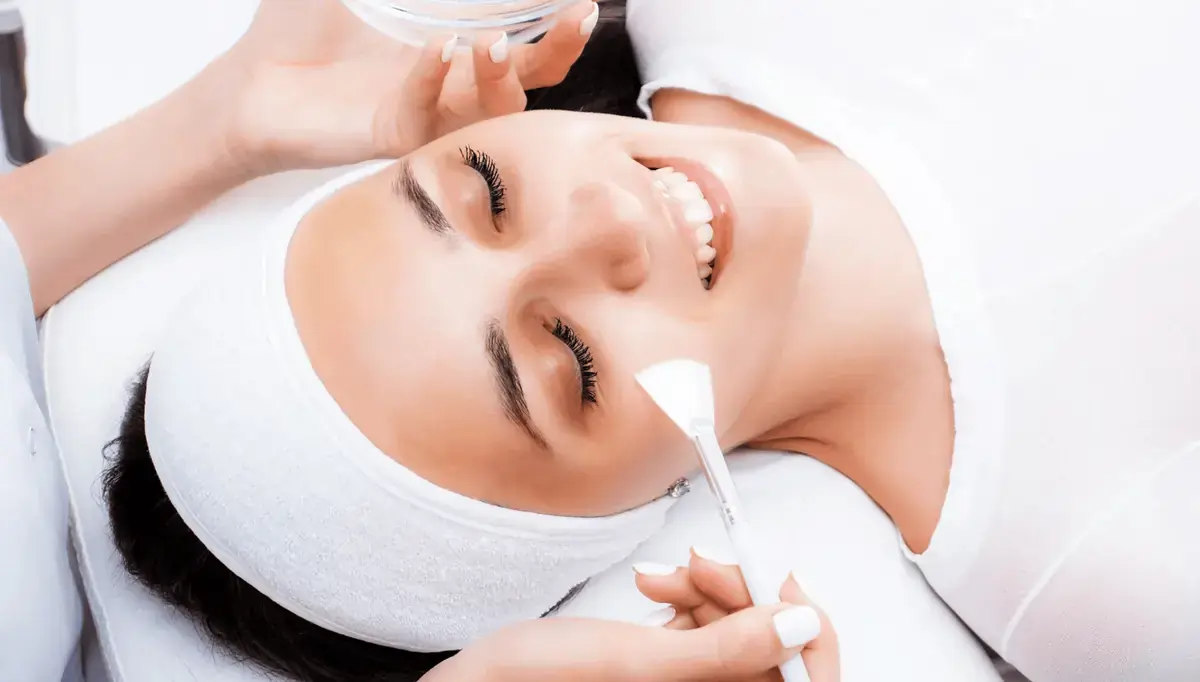
Chemical peels use acid solutions applied to the skin to create controlled exfoliation. The acids break the bonds between dead skin cells, so they shed and reveal fresher skin underneath. The depth of the peel depends on the type and strength of acid, which affects how deeply it works.
Superficial peels work on the outer layer of skin, while medium peels reach the middle layers where texture issues and discoloration often start. As the skin peels, cell turnover increases and collagen production is stimulated. This process supports longer-lasting improvement rather than a short-term surface refresh.
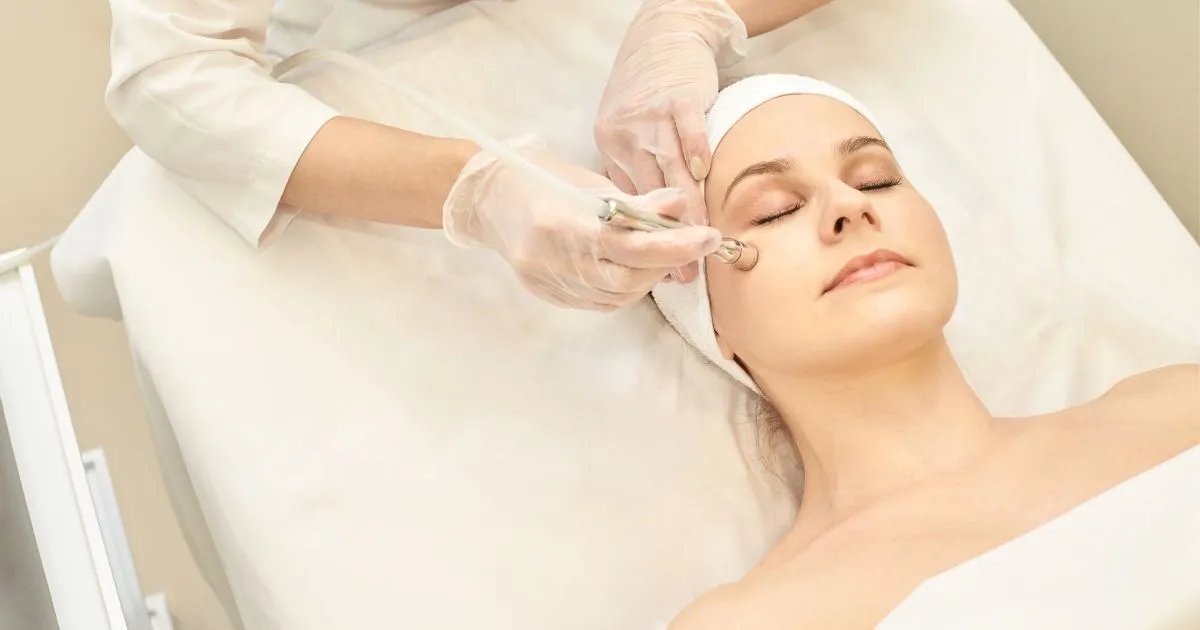
Microdermabrasion is different because it uses physical exfoliation instead of chemicals. A device gently buffs the skin’s surface, and suction removes dead cells and boosts circulation. This treatment only affects the top layer, so you see immediate smoothing and brightness, but not deeper changes.
Each treatment has its own strengths and works best for certain skin concerns. Knowing what each one does well helps you set realistic expectations.
Chemical peels work by applying an acid solution that creates controlled exfoliation at specific depths of the skin. This process removes damaged outer layers and triggers increased cell turnover and collagen production. The benefits of chemical peels include improved tone, texture, acne, and sun damage, with superficial peels brightening dull skin and medium peels softening wrinkles, acne scars, and deeper pigmentation over time.
Microdermabrasion uses mechanical exfoliation to gently remove the outermost layer of dead skin cells. This surface-level process smooths texture and improves circulation without affecting deeper skin layers. The benefits of microdermabrasion include immediate brightness, smoother skin, better product absorption, and mild improvement in superficial lines or light discoloration, making it best for maintenance rather than correction.
It’s easier to choose between chemical peels and microdermabrasion when you focus on your specific skin concerns and goals, instead of age or trends.
Both chemical peels and microdermabrasion can help you get clearer, smoother skin. The best choice depends on how much correction you need and how soon you want to get back to your usual routine.
This comparison may help individuals who:
A consultation can help you find the option that matches your skin type, goals, and comfort with downtime, so you can feel confident in your choice. Contact us at Culture Aesthetics and Wellness to talk about your concerns and see which skin resurfacing treatment is right for you.
Pre-Treatment Preparation
Before either treatment, your skin will be checked and your current skincare routine reviewed. You may need to stop using some products before a chemical peel to avoid irritation. For microdermabrasion, you usually just need clean skin.
Treatment Day Experience
During a chemical peel, a solution is applied to your skin for a set time. You might feel anything from mild tingling to warmth, depending on the peel’s strength. Most treatments take 30 minutes or less.
Microdermabrasion uses a handheld device to exfoliate your skin’s surface. Most people say it feels like light scratching or sanding. Sessions usually last 30 to 45 minutes.
Downtime and Recovery
After a chemical peel, you may have redness, flaking, or peeling for a few days up to two weeks, depending on how deep the peel is. During this time, it’s important to use sun protection and gentle skincare.
Microdermabrasion usually has little or no downtime. You might have mild redness for a few hours, but most people go back to their normal activities the same day.
You’ll often see results from a chemical peel within a few days as peeling stops, and your skin keeps improving over the next few weeks. With regular care, results can last from several months up to a year.
You’ll notice results from microdermabrasion right away, but they don’t last as long. Regular sessions help keep your skin bright and smooth.
The decision between chemical peel vs microdermabrasion comparison comes down to what the skin actually needs. Surface dullness and very mild texture respond to microdermabrasion. Deeper concerns like scarring, established wrinkles, and significant pigmentation require the penetrating action of chemical peels.
At Culture Aesthetics and Wellness, the focus is on honest assessment of what will actually address individual skin concerns rather than offering a one-size-fits-all treatment. With Chemical Peels in Knoxville, TN, options range from superficial to medium depth, allowing treatment to be tailored to skin type, goals, and tolerance for downtime.
Book a consultation to discuss chemical peels and find out if they’re the right choice for individual goals and skin conditions.